ECB Says Namibia’ Power Infrastructure Remains Stable
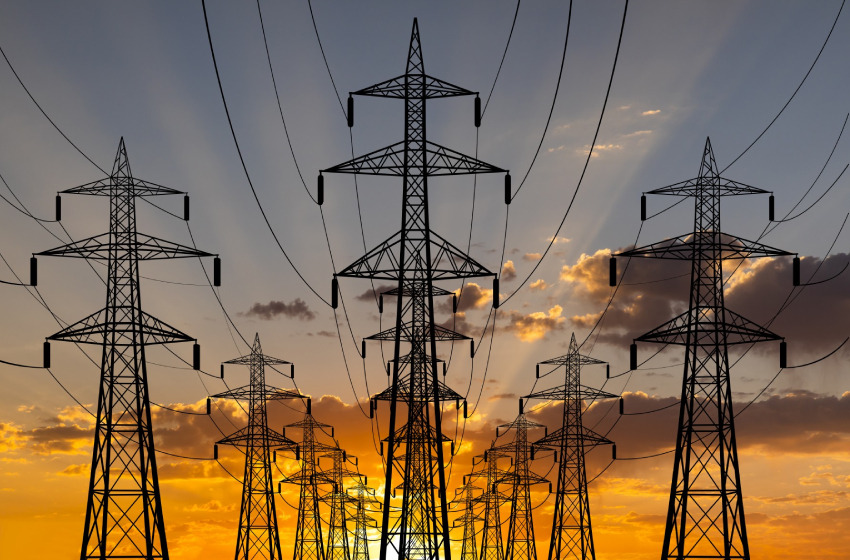
Namibia’s National Electricity Infrastructure remains in a satisfactory condition, with NamPower’s high voltage “backbone” that carries power over long distances well maintained and reliable.
The Electricity Control Board (ECB’s) National Electricity Infrastructure Status Report for 2024/2025, however, points out that networks that deliver electricity locally to homes and businesses, need some attention.
Each year, the ECB inspects electricity networks around the country to check that they are safe, well maintained and able to deliver a reliable supply to consumers. The inspections look at the main players who generate, transmit and supply electricity, including NamPower, the Regional Electricity Distributors (REDs), municipalities, town and village councils, regional councils, farmer schemes and mines.
The assessment also considers the potential impacts of these risks on network assets, associated mitigation strategies, and the financial implications of such interventions. The overall network status per region is classified as either satisfactory or poor, based on the number and the nature of the non-compliance issues identified.
Areas served by REDs, generally performed better than areas where electricity is run directly by a local council. Among the REDs, CENORED, which serves the Otjozondjupa area, stood out as a strong performer keeping its network in good order.
NORED, in the north, still has a number of non-compliance issues to address, although it has a maintenance system in place that helps keep those risks manageable.
Where electricity is run by Local and Regional Councils rather than a RED, the networks generally fared worse. //Kharas Region had the most concerns, followed by Hardap and Omaheke regions. There were bright spots. Khomas (served by the City of Windhoek) and Otjozondjupa, both kept their networks in good condition, during the period under review.
Thirteen farmer schemes, electricity networks that farming communities run themselves, were inspected, and most were found to be struggling: eight of the 13 (more than 60%) were rated poor. This is largely because running an electricity network is not these farmers’ main job, and many face challenges with skills, funding and upkeep. Rather than singling out individual farms, the ECB is working to support the sector as a whole to lift its standards.
Among the seven mines inspected, most were well maintained. Namdeb was the main exception, accounting for more than half of all the problems found in the mining sector because of ageing equipment and too little maintenance.
Moving forward, the ECB plans to accelerate the creation of new REDs across southern and central Namibia while coordinating with government ministries to help under-resourced councils fund critical infrastructure upkeep.
“The findings confirm that our electricity network is in good shape overall, and that gives us real comfort,” said ECB Chief Executive Robert Kahimise. “At the same time, the report is honest about where the weak spots are, especially in areas where electricity is run by Local Councils rather than by a dedicated company. We will keep monitoring such studies so problems are fixed before they affect people’s safety or supply.”