The recent decision by the Electricity Control Board (ECB) to approve a modest 3.8% increase in NamPower’s bulk tariff for 2025/2026, significantly lower than the 17.44% initially requested by the power utility, is a welcome relief for Namibians.
This decision, bolstered by a N$283 million government subsidy, demonstrates a commendable understanding of the delicate balance required to maintain a viable electricity sector while safeguarding the well-being of the populace and fostering economic growth.
However, this approach must become the norm, not the exception, as Namibia navigates its path towards industrialisation amidst persistent poverty and high unemployment.
We face a stark reality: poverty and inequality remain Namibia’s most pressing risks. With an estimated 19.7% of the population expected to remain poor in 2025 (based on the international poverty line) and a persistently high Gini coefficient, deep-seated inequality continues to challenge the nation.
For Namibian households, and indeed for a broader segment of the population struggling with an alarming unemployment rate, every cent added to their electricity bill is a heavy burden. Even a seemingly small increase in electricity tariffs, when compounded by other rising costs, can push vulnerable families further into hardship, undermining efforts to meet basic needs and hindering social upliftment.
Current residential tariffs are already comparatively high, making affordability a critical concern.
Beyond the immediate impact on households, the cost of electricity is a fundamental determinant of Namibia’s industrialisation aspirations. Industries, particularly in mining, manufacturing, and agriculture, are energy-intensive. Expensive power inflates operational expenses, erodes competitiveness, deters new investment, and ultimately stifles job creation.
The direct correlation between electricity consumption per capita and real GDP per capita underscores that affordable, abundant power is not a luxury, but a prerequisite for the economic diversification and value addition that Namibia desperately seeks through its mineral beneficiation strategy and the development of emerging industries.
The country cannot become an industrial powerhouse if its factories cannot afford to switch on.
The ECB’s actions, including the rejection of higher tariff proposals and the emphasis on comprehensive stakeholder consultation, are positive indicators of a regulator striving for balance.
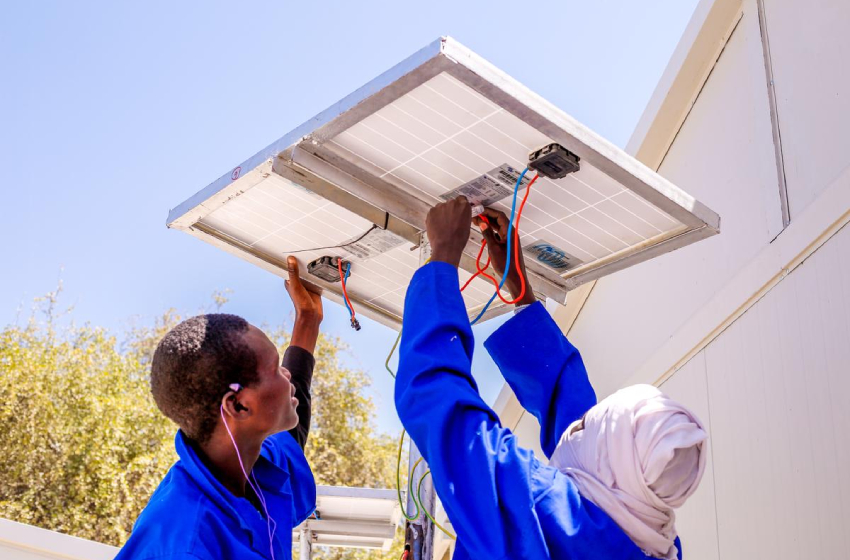
Furthermore, the commitment to increase the national electrification rate to 70% and ensure 100% electrification of all schools and health facilities, including electrifying 10,000 households in 2025, demonstrates a clear understanding of energy access as a development enabler.
However, relying solely on government subsidies, while necessary in the short term, is not a sustainable long-term solution. It places a significant strain on national coffers and can mask underlying inefficiencies within the electricity supply chain.
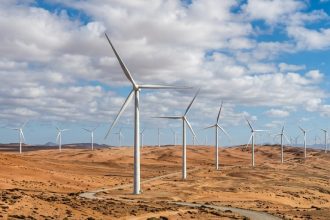
The path forward demands a multi-pronged strategy focused on sustainable, affordable, and locally-sourced energy. This includes accelerating the development and integration of Namibia’s vast renewable energy potential, particularly solar and wind power.