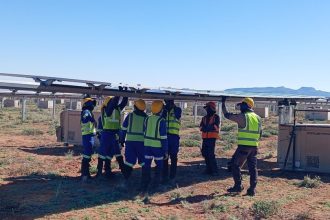

Energy regulator, the Electricity Control Board (ECB), is developing tailored licence conditions for small, embedded generation projects of up to 2 megawatts (MW) and pilot initiatives involving emerging technologies, including green hydrogen.
The initiative is a response to growing investor interest in Namibia’s evolving energy sector and aims to support innovation while maintaining regulatory compliance and system stability. As part of the project, the ECB will produce clear licence conditions, guidelines and standards intended to streamline approval processes and reduce administrative bottlenecks.
ECB held a stakeholder consultation workshop in Windhoek on February 10, to discuss the development of licence conditions for small embedded generators and pilot projects.
CEO Robert Kahimise underlined the growing importance of embedded generation in Namibia’s evolving electricity supply industry (ESI) and the need for regulatory clarity, compliance, and sustainable sector development.
“In terms of the Electricity Act (2007), the licensing of electricity activities is a legal requirement, and no person may generate, trade, transmit, supply, distribute, import or export electricity in Namibia unless duly authorised through a licence or exemption under the Act. As the ECB, our mandate is not only to regulate, but also to enable orderly growth while safeguarding system reliability, consumer interests, and fair market participation. An important aspect hereof is to identify barriers to facilitate entry to, and the growth of, the Namibian ESI. In this regard, over-regulation can be seen and experienced as an entry barrier,” said Kahimise.
For that reason, the ECB embarked on investigating the categorisation of generation projects which could qualify for a simplified regulatory licensing process.
The simplified licence process being introduced by the regulator is designed to provide a clear, consistent, and transparent regulatory framework that supports project development while ensuring accountability and compliance throughout the lifecycle of embedded generation facilities and pilot projects.
Consultants Jacky Scholtz and Uli von Seydlitz, presented the proposed framework, which culminated from an increase in investor interest in embedded generation projects of up to 2 MW, including solar rooftop systems and pilot projects.
The current standard licence conditions are designed for large generation projects and are not suitable for smaller embedded projects. The simplified licence conditions are, therefore, aimed at supporting investment and operations without creating unnecessary barriers.
Under the proposed simplified licensing process, the determination of the duration of licences for simplified generation projects will be through applying the standard criteria usually applied by the ECB with the applicant proposing and motiving its desired duration.
The new regulations will also aim at the promotion and facilitation of new technologies, but ultimately the regulatory environment, as per the National Energy Policy, will remain technology neutral.
Regulatory levies and surcharges are imposed under relevant laws, and it is recommended that these levies and surcharges be imposed on the customer of/person supplied with electricity by the simplified generation project similar to all other electricity licensees and customers.
Simplified generation projects connecting to the grid will have to comply with the relevant rules, codes and connection licensee’s requirements.