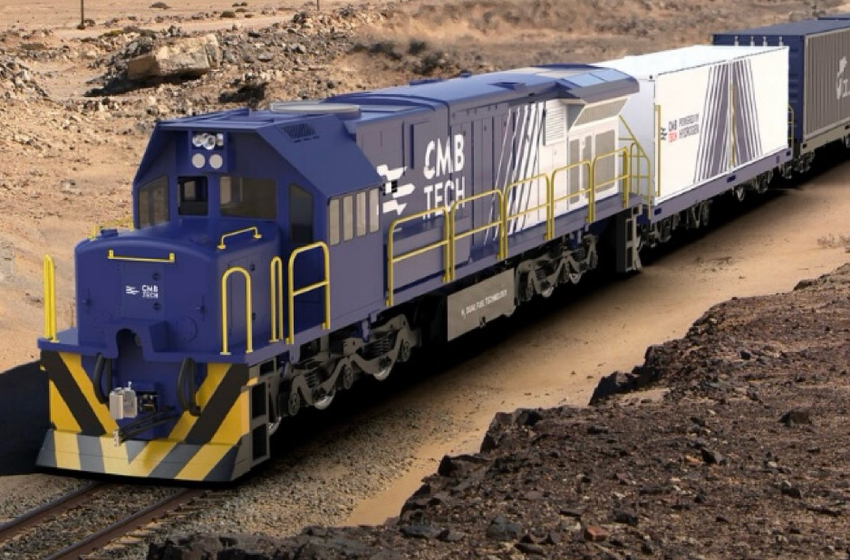
TransNamib will launch a six-month trial of a prototype dual-fuel locomotive powered by locally produced green hydrogen and diesel, marking a significant step toward modernising Namibia’s rail sector and reducing reliance on fossil fuels.
The project, which is a partnership between CMB.Tech Namibia, TransNamib and Africa Global Logistics, will position Namibia as one of the pioneers in Africa to operate a hydrogen-powered heavy duty freight train.
The hydrogen-powered locomotive will operate between Walvis Bay and Windhoek during the trial period.
CMB.Tech said the locomotive was currently being assembled in South Africa and was aimed at modernising Namibia’s rail sector while reducing carbon emissions.
“Namibia has a large fleet of idle locomotives that can be repowered with this cost-effective and future proof technology. By converting an operational locomotive, the initiative aims to show how hydrogen can be integrated into freight rail without the need for new rolling stock or major infrastructure changes,” CMB.Tech said.
The hydrogen used for the project will be produced off-grid at CMB.Tech’s Cleanergy Solutions Namibia hydrogen plant at Walvis Bay. Cleanergy has been driving the growth of Namibia’s hydrogen economy while contributing to the global shift towards clean energy.
TransNamib said the pilot project will form part of its broader efforts to modernise rail operations.
“As a central player in the country’s transport infrastructure, TransNamib is actively exploring modernisation pathways, including the repowering of its existing locomotive fleet through innovative technologies such as dual fuel hydrogen systems,” the rail operator said in a statement.
The locomotive to be piloted will have a dual-fuel hydrogen engine, meaning it can operate on both diesel and green hydrogen. Hydrogen will be stored in a fuel tender behind the locomotive.
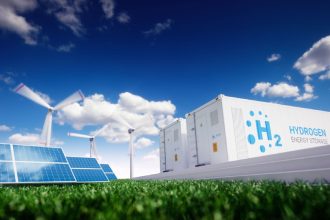
Each tender can carry two 20-foot hydrogen storage units, with up to 360kg of compressed hydrogen per unit.
According to the project partners, the locomotive can continue operating on diesel if the hydrogen system is unavailable.
The locomotive remains fully functional at all times. If hydrogen is not available, it automatically switches to diesel. This ensures service continuity and reliability.
TransNamib said the locomotive will be evaluated using a comprehensive performance matrix, including fuel consumption, reliability, operational efficiency, maintenance requirements and overall cost-effectiveness within Namibia’s operating conditions. A decision on whether to expand the project will be made after the six-month evaluation period.
TransNamib Chief Executive Officer Desmond Van Jaarsveld said the trial will also assess safety protocols, staff training and operational procedures related to hydrogen storage, handling and refuelling.
The company’s current fleet operates primarily on conventional diesel locomotives. However, depending on the trial’s outcome, TransNamib may consider transitioning parts of its fleet to dual-fuel technology.