The Electricity Control Board (ECB) has approved a 3.7% bulk tariff increase for the period 1 July 2026 to 30 June 2027, to be effected by NamPower from August 1, 2026.
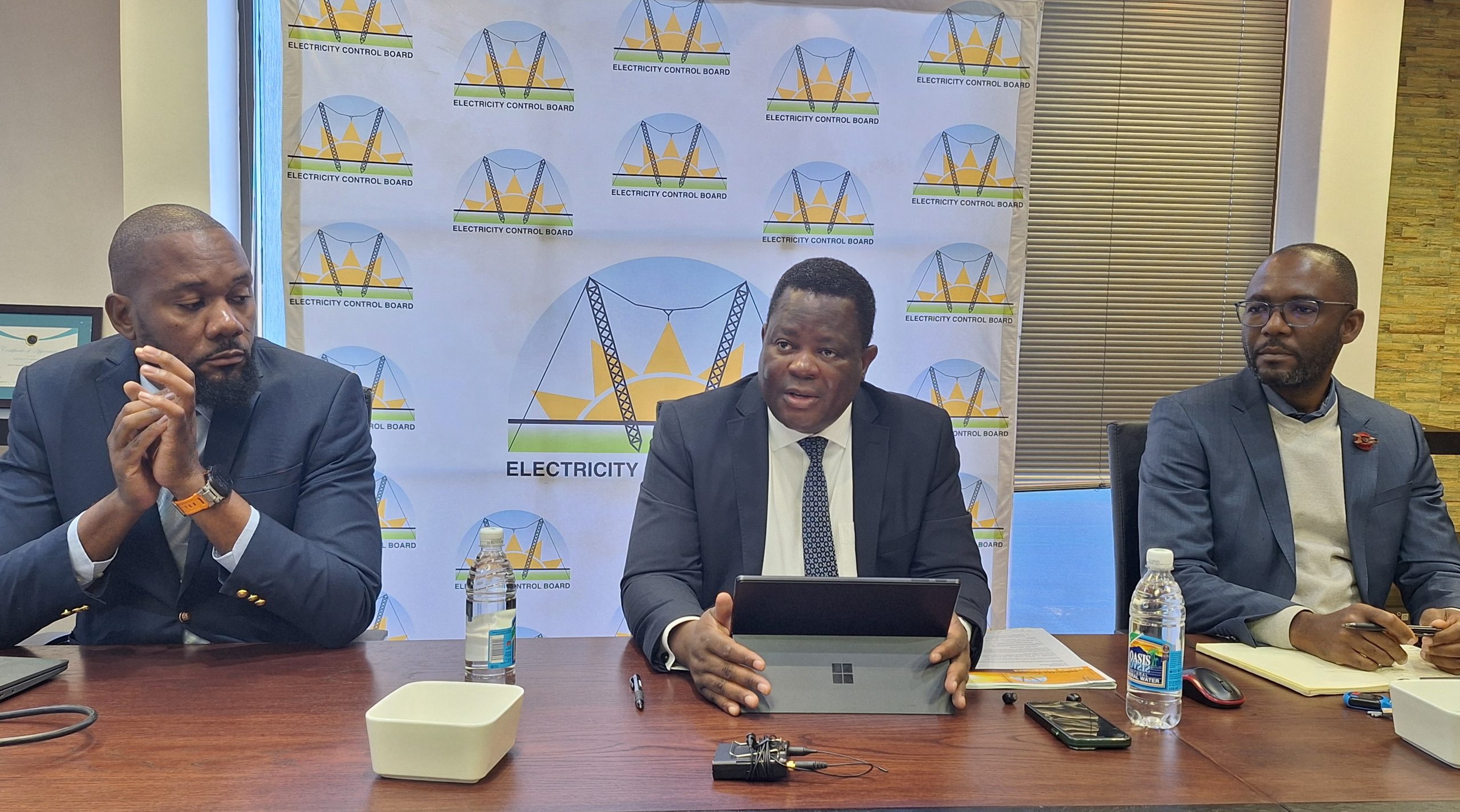
ECB Chief Executive Officer Robert Kahimise said having carefully considered the evidence before it and being mindful of the affordability pressures facing consumers, the ECB Board resolved to approve a moderated bulk tariff increase of 4.8%, significantly below the 8.4% sought by NamPower.
“Following engagements with the Minister of Industries, Mines and Energy, and through a combined relief allocation of N$90 million, comprising N$50 million from the Long Run Marginal Cost Fund and N$40 million from the National Energy Fund, the increase was further reduced to 3.7%, which is the increase to be passed to the customers,” Kahimise said during a media briefing.
Accordingly, the average bulk tariff will adjust from N$2.06 per kWh to N$2.14 per kWh with effect from 1 August 2026. If the application had been approved as submitted by NamPower, the average bulk tariff would have escalated from the current N$2.06 per kilowatt-hour (kWh) to N$2.23 per kWh.
Kahimise pointed out that in discharging its regulatory mandate, the ECB scrutinises every application before a final determination is made. Central to this assessment is striking a balance between what consumers can afford, the security and reliability of supply, and the long-term health and stability of the electricity supply industry.
In addition, NamPower’s Revenue Requirement, which is the total income the utility must recover from its customers to sustain its operations, is reviewed. The Revenue Requirement covers, among others, the cost of purchasing and generating electricity, operating and maintaining infrastructure, employee remuneration, customer service, and a reasonable return on assets.
The ECB convened consultation sessions at which NamPower presented its application to a broad spectrum of stakeholders, including members of the public, ratepayers’ associations, business and employer bodies, agricultural unions, the renewable energy sector, Government Ministries and agencies, and electricity distributors. Participants were afforded the opportunity to scrutinise the application and to provide written and verbal inputs, all of which were considered by the ECB in arriving at the final determination.
Kahimise said in order to sustain its long-term financial resilience, NamPower should optimise operational efficiency, customer debts recovery and ensure prudent capital allocation.
“Electricity price changes have both direct and indirect influence on inflation. Accordingly, higher electricity tariffs increase household electricity costs directly, and raise production costs for goods and services indirectly, which may be passed on to consumers through higher prices of goods and services,” said the ECB CEO.
The approved average NamPower bulk tariff increase of 3.7%, which is below the current inflation rate of 4.4%, is not expected to place upward pressure on inflation.
Electricity not a Luxury
Drawing attention the social dimension of the ECB’s intervention in the tariff adjustment, Kahimise pointed out that “electricity is not a luxury: amongst others it lights homes, keeps clinics and schools running, and sustains the small businesses on which many livelihoods depend”. “In the absence of Government’s cushioning support, consumers would have carried the full weight of 4.8% adjustment. By stepping in, the Government has shouldered a substantial share of the cost pressure on behalf of the nation, sparing households, especially low-income and vulnerable families as well as small and medium enterprises from a far steeper increase,” he said.