
In the pursuit of sustainable leadership, Namibia is advancing its electric mobility vision.
Tesla Energy Solutions’ strategic deployment of electric vehicle (EV) chargers transforms cities into hubs of efficiency, connectivity, and green innovation.
Tesla has installed four EV chargers across Namibia; a mix of AC units and fast DC chargers; steadily expanding its national footprint. Each installation is planned with precision to ensure accessibility and network resilience.
This rollout shows decisive execution and signals Namibia’s commitment to leading Southern Africa in sustainable transport infrastructure, with many more EV chargers still to come.
Key installations across Namibia reflect both strategy and impact. Tesla’s first public 22 kW AC charger was installed in Arandis, setting the foundation for regional accessibility. In Windhoek, two private 22 kW AC chargers were deployed for BMW and the City of Windhoek, while a fast DC charger is currently undergoing testing before public release.
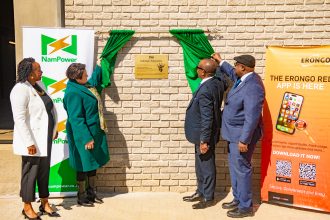
Most recently, a 22 kW AC charger was commissioned at Dunes Mall in Walvis Bay, offering convenient access for both residents and visitors with electric vehicles.
Together, these sites strengthen national connectivity and reinforce Tesla Energy Solutions’ leadership in EV infrastructure deployment.
EV CORRIDOR
Major achievements include completing Namibia’s first cross-country EV corridor and enabling uninterrupted charging along main highways. Each milestone amplifies Tesla Energy Solutions’ authority in renewable transport, marking the nation’s transformation from nascent adoption to emerging regional leadership in electric mobility.
The e-Charge app centralises charging management, navigation, and payment. By providing users control and insight, it consolidates Tesla’s influence over the EV experience. Strategic adoption ensures loyalty, seamless usability, and engagement, cementing Tesla’s role as both provider and guide.
Namibia’s journey toward electrification is deliberate and visionary, aligning with national sustainability goals. Each expansion reflects disciplined planning and foresight, positioning the country as a model for African nations aspiring to integrate clean energy with modern transportation systems.
Early challenges such as infrastructure gaps, grid constraints, and low public awareness tested the rollout’s resilience. But through strategic planning and strong public-private collaboration, these hurdles were steadily overcome.
Each milestone strengthened credibility, proving that once obstacles are mastered, they become stepping-stones toward national leadership in EV adoption. Tesla Energy Solutions continues to welcome key partners to join us in expanding EV charging infrastructure across Namibia.